- Learn how changing keys using Major Scale Pattern 1 is literally as simple as “shifting” up or down.
- Learn to pay attention to the root notes that “feel” like “home.”
- STEP 1: WATCH the entire video to get an overview of how to change keys using Major Scale Pattern 1.
- STEP 2: PRACTICE improvising in at least these 3 different “Major” keys: A Major, C Major, D Major. What you will do is this:
- Select the first key, say C Major.
- Next go to YouTube, and search for “C Major Backing Track”.
- Then pick a track that sounds interesting (as long as it’s in the right key) and begin improvising over the track using Major Scale Pattern 1 starting on the “keynote” (which would be C in this case).
- IMPORTANT: Don’t worry about making mistakes, sounding good, or any of that stuff – just explore and have fun! We’ll worry about making your soloing sound great later.
- NOTE: I have included a few Major Key backing tracks below for you to improvise with if you prefer.
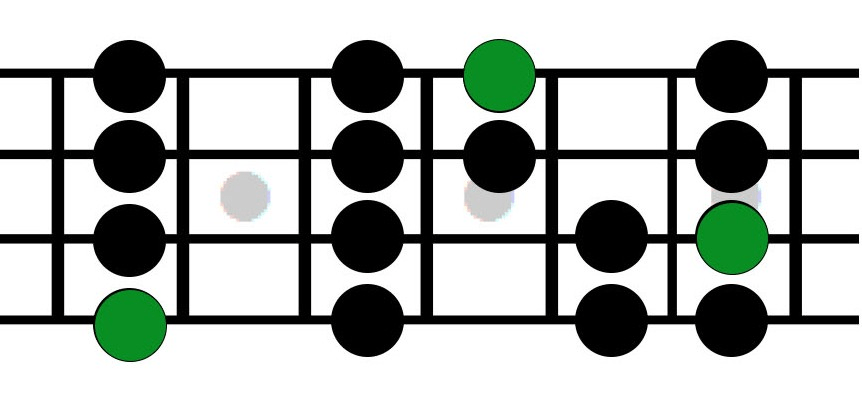
- STEP 3: REMEMBER the major root notes, marked in green on the chart. Focus on the feelings you get when you play those “home notes” for the major scales and memorize their locations in Major Scale Pattern 1.
- STEP 4: SELECT a different key and repeat step 2.
- STEP 5: CONTINUE moving Major Scale Pattern 1 to play other major keys until you have had enough fun improvising, then check out the bonus lesson below on playing in minor keys with Major Scale Pattern 1
Next, Switch to Minor Keys Using this Simple Trick!
II. Minor Keys Using Major Scale Pattern 1
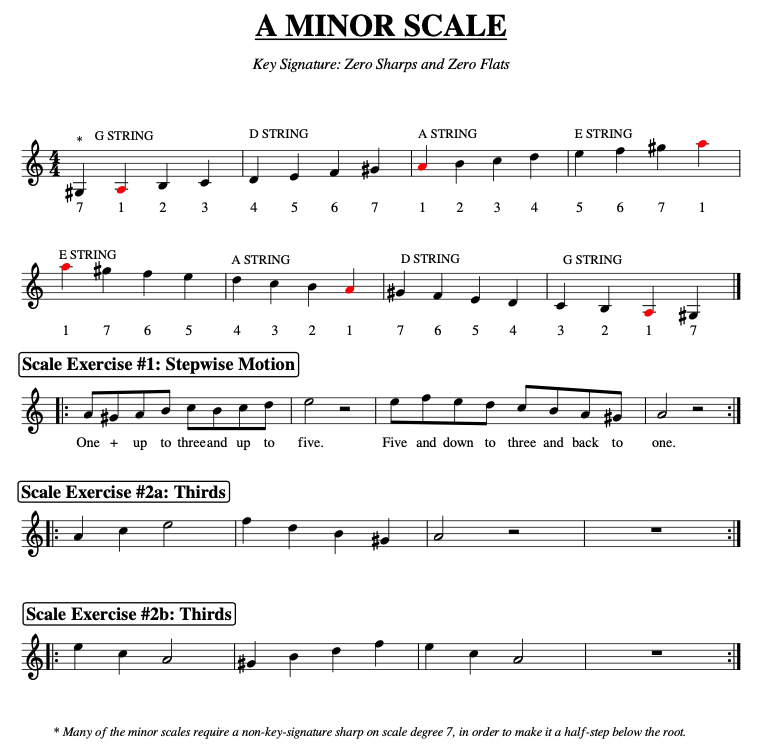
- How playing minor keys using Major Scale Pattern 1 is literally as simple as “shifting” up 3 frets! This makes the Major Scale Pattern 1 a relative minor scale.
- See how this works with any Major Scale Pattern, due to the relative major/minor principle. Every major scale has a minor scale that shares the same notes!
- The name of the minor scale comes from the 6th degree of the major scale. In the scale shown below, I’ve marked the 6th scale degrees of Major Scale Pattern 1 with red color to indicate that the minor scale root will be on those notes when you shift the pattern up to play in a minor key.

Discover more from The Amateur Mandolinist
Subscribe to get the latest posts sent to your email.